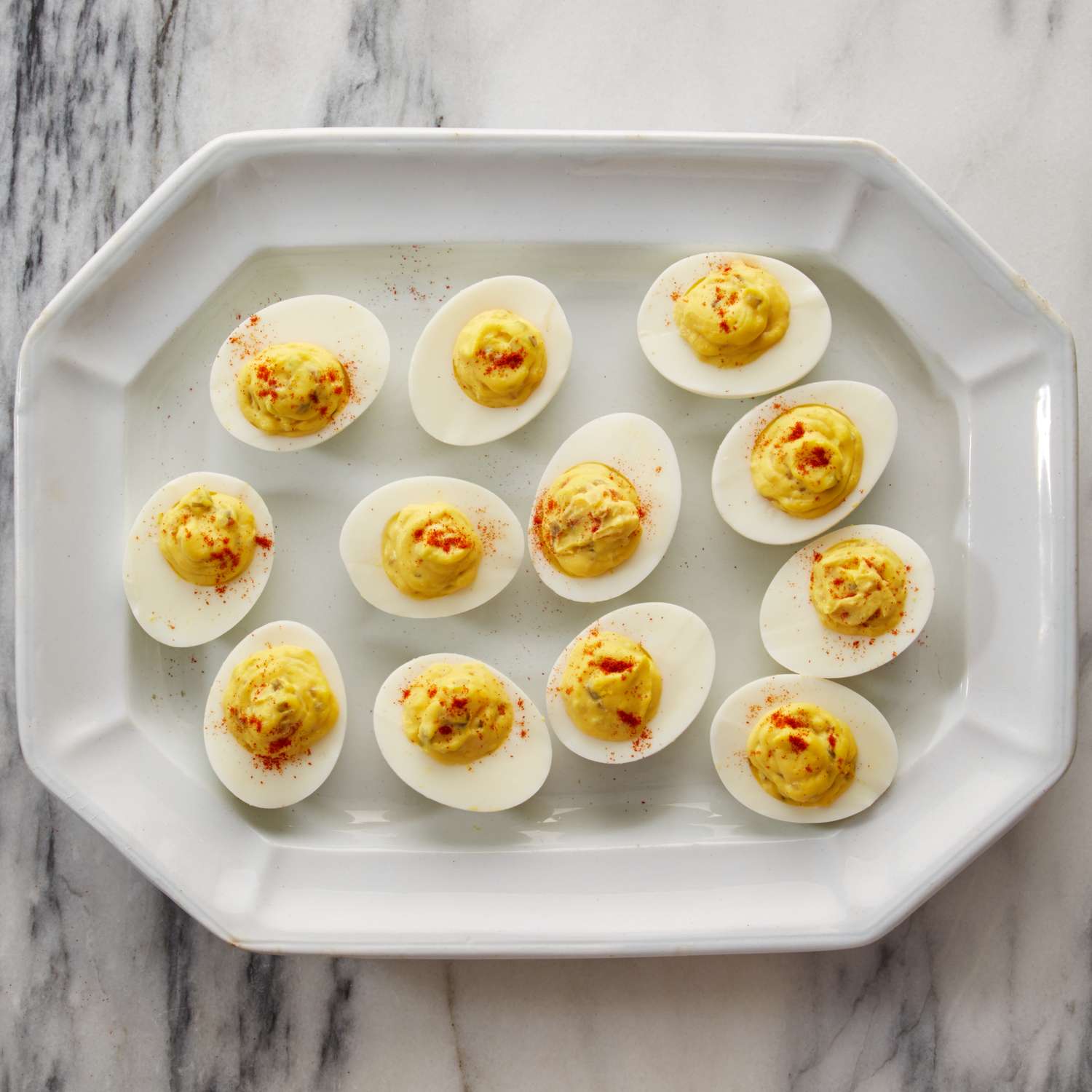
The Enduring Charm of Deviled Eggs: A Culinary Classic That Always Delights
There are some dishes that transcend mere recipes, becoming woven into the fabric of our most cherished memories. For many, deviled eggs are precisely that dish. Picture the scene: a gingham blanket spread for a family picnic, a holiday table laden with festive fare, or a backyard barbecue filled with laughter. In all these settings, a tray of perfectly crafted deviled eggs invariably takes center stage, catching the light and disappearing faster than any other appetizer.
This humble, yet profoundly satisfying, bite offers a unique blend of comfort and indulgence. It’s a tiny celebration on a plate, proving that the most memorable culinary experiences often stem from simplicity and tradition. While they might appear elegant enough for the most formal of gatherings, deviled eggs are remarkably quick to prepare, making them just as suitable for a spontaneous weeknight treat. Their universal appeal as a go-to appetizer for parties, potlucks, and major holiday dinners like Easter, Thanksgiving, and Christmas is undeniable. Indeed, if you're looking for a guaranteed crowd-pleaser, knowing how to unlock the perfect deviled egg recipe is a skill worth mastering. To understand why these classic treats are always the first to go, delve deeper into their enduring popularity with our article: Why Classic Deviled Eggs Are Always the First to Go: A Family Favorite.
But why are they called "deviled"? This intriguing term, referring to food that is highly seasoned, spicy, or hot, has been in culinary use since the 18th century. While our beloved deviled eggs are far from sinister, their name hints at a delightful zest and punch of flavor that elevates them beyond a simple hard-boiled egg. It's this "devilishly good" quality, achieved with just a few core ingredients, that keeps us coming back for more, decade after decade.
The Core Components: Key Ingredients for Deviled Egg Perfection
The magic of creating truly exceptional deviled eggs lies in understanding and appreciating the role of each ingredient. While the list is short, the quality and preparation of these components make all the difference between good and truly unforgettable.
Eggs: The Foundation of Flavor
- Quality Matters: Start with large, fresh eggs. While some argue older eggs peel easier, consistent hard-boiling is paramount. For 12 deviled egg halves, you'll need 6 large eggs.
- The Perfect Hard-Boil: This is arguably the most critical step. Overcooked eggs yield rubbery whites and a dreaded greenish-gray ring around the yolk – a visual no-go for any guest. Our foolproof method involves boiling eggs for precisely 14 minutes. This timing ensures fully cooked, vibrant yellow yolks without any discoloration.
- The Ice Bath Advantage: Immediately after boiling, transfer the hot eggs into an ice water bath. This rapid cooling halts the cooking process, prevents the green ring, and makes the eggs significantly easier to peel. This isn't just a tip; it's a game-changer for smooth, pristine whites.
Mayonnaise: The Creamy Binder
- Richness and Texture: Mayonnaise is the cornerstone of the creamy filling. It binds the mashed yolks, adding a velvety smoothness and rich flavor.
- Choosing Your Mayo: While homemade mayonnaise offers a fresh, unparalleled taste, a high-quality store-bought brand works beautifully. Consider your preference: a classic full-fat mayo for ultimate richness, or an avocado-oil based mayo for a slightly healthier profile. The key is a mayo you genuinely enjoy the taste of.
Mustard: The Tangy Kick
- Dijon vs. Yellow: This is where personal preference can shine, but most connoisseurs lean towards Dijon mustard. Its complex, slightly spicy, and richer flavor profile elevates the deviled eggs beyond the sharp, singular tang of yellow mustard. If you're new to making deviled eggs, start with Dijon for a more sophisticated taste.
- Variations: For an added textural element and depth, a touch of stone-ground mustard can be interesting, but ensure it doesn't overpower the delicate egg flavor.
Vinegar or Pickle Juice: The Brightening Agent
- Acidity for Balance: A dash of acid is crucial for cutting through the richness of the mayo and yolk, adding a bright, zesty tang that makes the filling sing.
- Regional Flavors: Apple cider vinegar is a popular choice, especially on the West Coast, offering a subtle fruity note. Alternatively, pickle juice (from dill pickles, ideally) is a beloved addition in East Coast and Southern recipes, imparting a briny, familiar flavor. Feel free to experiment with both to discover your favorite. A squeeze of fresh lemon juice can also work wonders.
Salt, Pepper, and Paprika: The Finishing Touches
- Essential Seasoning: Good quality salt and freshly ground black pepper are non-negotiable for seasoning the filling. Always taste and adjust.
- The Paprika Pop: A sprinkle of paprika is the classic garnish, adding a beautiful pop of red color and a subtle, earthy flavor. While sweet paprika is traditional, smoked paprika can introduce a wonderful depth and smoky aroma, transforming the overall experience. For a hint of heat, a tiny pinch of cayenne pepper can be mixed into the filling or sprinkled on top.
Mastering the Method: Your Step-by-Step Guide to Foolproof Deviled Eggs
With your ingredients prepped, the assembly of perfect deviled eggs is surprisingly straightforward. Follow these steps for a consistently delicious result:
Step One: Achieving the Perfect Hard-Boiled Eggs
- Carefully place 6 large eggs in a single layer in a saucepan.
- Cover the eggs with cold water by about an inch.
- Bring the water to a rolling boil over high heat.
- Once boiling, immediately turn off the heat, cover the pot, and let the eggs sit in the hot water for exactly 14 minutes.
- While the eggs are cooking, prepare an ice water bath in a large bowl.
- After 14 minutes, use a slotted spoon to transfer the eggs directly into the ice water bath. Let them cool completely, typically for 5-10 minutes. This step is vital for easy peeling and that gorgeous yellow yolk.
- Gently tap and roll each cooled egg on a hard surface to crack the shell, then peel carefully under cool running water. The ice bath should make this a breeze.
Step Two: Preparing the Egg Components
- Once peeled, slice each hard-boiled egg cleanly in half lengthwise.
- Carefully scoop out the bright yellow yolks into a small mixing bowl.
- Arrange the pristine egg white halves on your serving platter, ready to be filled.
Step Three: Crafting the Creamy, Flavorful Filling
- Using a fork, mash the egg yolks thoroughly in the bowl until they are completely smooth and free of lumps. For an extra creamy filling, you can push them through a fine-mesh sieve.
- Add about 1/4 cup of mayonnaise, 1-2 teaspoons of Dijon mustard (start with less and add more to taste), 1/2 teaspoon of apple cider vinegar (or pickle juice), and a generous pinch of salt and black pepper to the mashed yolks.
- Mix everything together vigorously with the fork or a small whisk until the mixture is completely smooth, creamy, and well combined.
- Taste Test: This is a crucial step! Dip a clean spoon into the filling and taste. Adjust seasonings as needed – add more salt, pepper, mustard, or vinegar until the flavor profile is perfectly balanced to your liking. Some prefer a tangier filling, others a richer one.
Step Four: Filling and Garnishing for Presentation
- For an elegant presentation, transfer the creamy yolk mixture into a piping bag fitted with a star tip (or any decorative tip you prefer). If you don't have a piping bag, a freezer bag with a corner snipped off works, or simply use a small spoon to mound the filling into each egg white half.
- Carefully pipe or spoon the filling back into the cavities of the egg white halves. Aim for a neat, appealing mound.
- Finally, sprinkle a light dusting of paprika over each filled deviled egg. For extra flair, you could add a tiny sprig of fresh dill, a few finely chopped chives, or even a crumble of crispy bacon.
Holiday Hosting & Make-Ahead Magic: Deviled Egg Tips
Deviled eggs are the quintessential holiday appetizer for a reason: they are beloved by all ages and can be surprisingly easy to manage, even amidst the busiest holiday preparations. Their versatility makes them ideal for any festive spread, from Easter brunch to a cozy Christmas Eve gathering.
Mastering Make-Ahead Deviled Eggs:
One of the best features of this classic dish is its make-ahead potential, which is a lifesaver during hectic holidays:
- Hard-Boil in Advance: You can hard-boil your eggs up to 3-4 days ahead of time. Store them unpeeled in their shells in the refrigerator. Peel them the day before or the day of assembly.
- Prepare Filling Separately: The creamy yolk filling can also be made a day in advance. Store it in an airtight container in the refrigerator. If using a piping bag, load the bag with the filling and secure the open end; this saves you a step on serving day.
- Assemble Just Before Serving: For the freshest taste and best presentation, it's best to assemble the deviled eggs (filling the whites) no more than a few hours before serving. This prevents the whites from drying out and the filling from becoming overly chilled or weeping.
- Storage: Always store assembled deviled eggs in a single layer on a platter, covered loosely with plastic wrap, in the refrigerator. They are best enjoyed within 24-48 hours.
Elevating Your Deviled Egg Game:
- Creative Toppings: While paprika is classic, don't shy away from experimenting! Try a sprinkle of finely chopped fresh chives, a touch of dill, crispy bacon bits, a few capers, a tiny dollop of sriracha for a spicy kick, or even a very thin slice of jalapeño.
- Perfect Presentation: Invest in a dedicated deviled egg tray, which keeps the eggs from sliding around. Alternatively, arrange them attractively on a bed of fresh greens like arugula or spinach for a vibrant contrast.
- Troubleshooting:
- Green Yolk Ring: Means the eggs were overcooked. Refer back to the 14-minute boiling time and ice bath method!
- Bland Filling: You likely need more salt, pepper, or acid (vinegar/pickle juice/lemon). Don't be afraid to taste and adjust.
- Runny Filling: This can happen if too much mayonnaise or liquid was added. If it's too late, try mashing a tiny bit more hard-boiled yolk (if you have extra) into the mix, or even a pinch of unflavored breadcrumbs as a last resort to absorb excess moisture.
For even more tips and a consistently perfect outcome, explore our comprehensive guide: The Best Deviled Eggs Recipe: Easy, Foolproof, and Always a Hit.
Deviled eggs are more than just an appetizer; they are a timeless gesture of hospitality, a small bite that evokes big smiles. By understanding the critical role of each key ingredient and mastering a few simple techniques, you can unlock the secret to truly perfect deviled eggs every single time. Whether for a grand holiday feast or a simple family gathering, these creamy, flavorful delights are guaranteed to be a crowd-pleaser, leaving everyone reaching for just one more.
